Some subjects feel too heavy for a comedy night. Palestine is near the top of that list for many people. So when a show puts it in the description, a reasonable first question is: how can that be funny?
This article explains what The Arab and the Jew sets out to do, how it approaches its subject and who is likely to enjoy it. It is written by the team that produces the show, so we will be clear about where it stands.
Comedy and politics have always gone together
Satire is one of the oldest jobs comedy has. Comedians have always used jokes to question power, expose contradictions and say things that are hard to say any other way. Humour does not make a subject less serious. Often it makes people listen who would otherwise switch off.
Political comedy also does something a debate cannot: it lets a room full of strangers laugh together, even when they do not agree on everything.
The idea behind the show
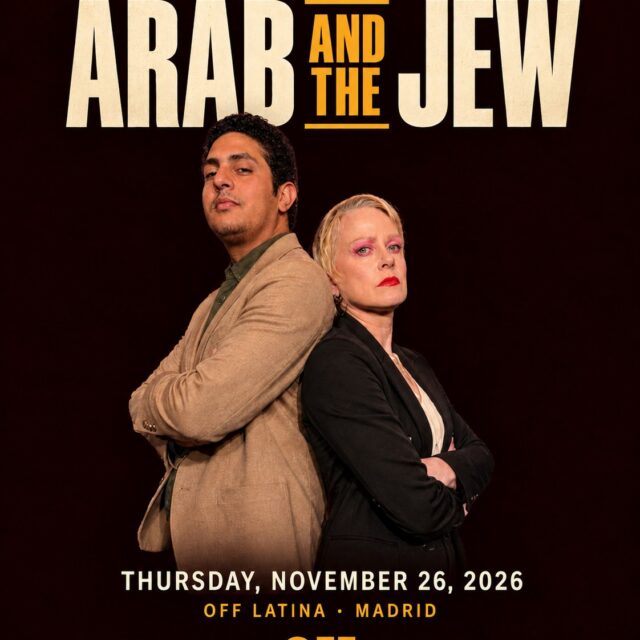
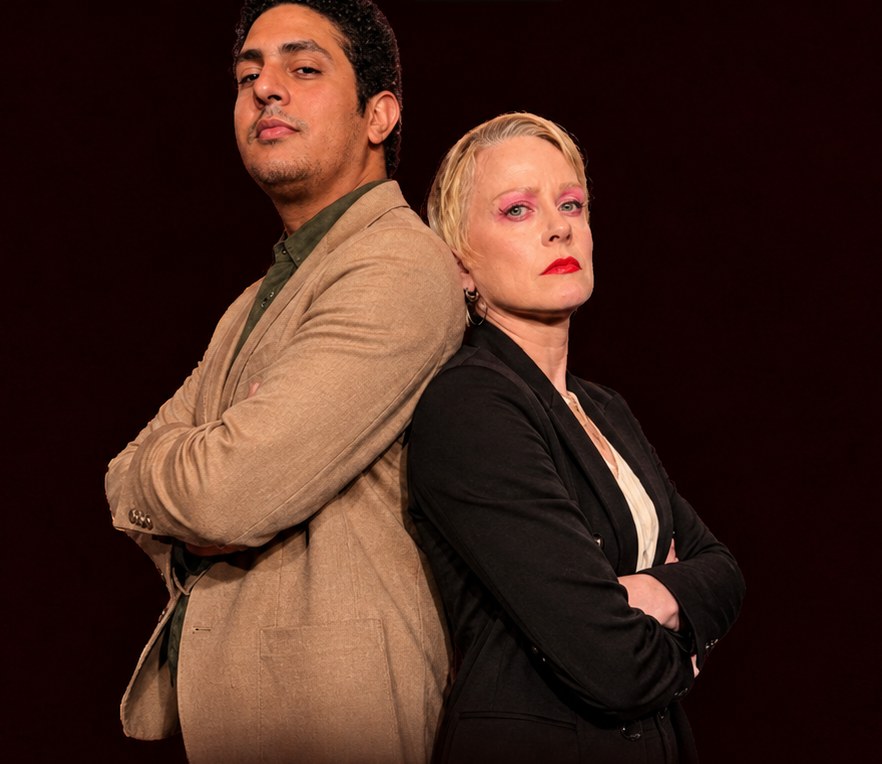
The idea came first from Rachel Arieff, who brought it to life with Mehdi Mahtaj. On stage are a Moroccan Muslim man and an American Jewish woman. Two immigrants in Spain, with different backgrounds, strong opinions and plenty to say.
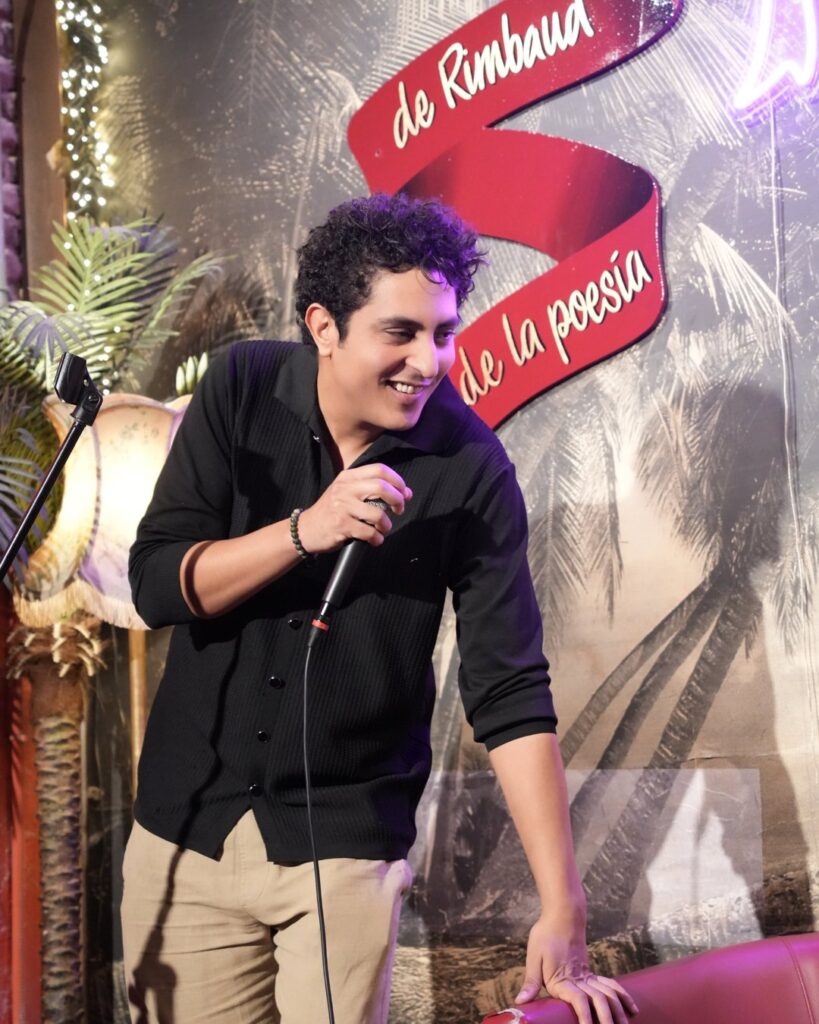
Rachel was born in Milwaukee, started stand-up in Austin in the 1990s and moved to Spain in 2004, where she learned to do comedy in Spanish. Mehdi is a Moroccan comedian and producer based in Madrid and the founder of the Madrid Comedy Festival.
Where the show stands
The show is open about its position. Rachel and Mehdi take an anti-Zionist and pro-Palestinian stance. Part of the show’s message is that Jewish identity and Zionism are not the same thing, and that people of all backgrounds can stand together for Palestinian freedom and against injustice.
If that position is not yours, you should know it before you buy a ticket. If you are curious about it, the show is a chance to hear it argued with humour, from two people who live with these questions personally.
What happens on stage
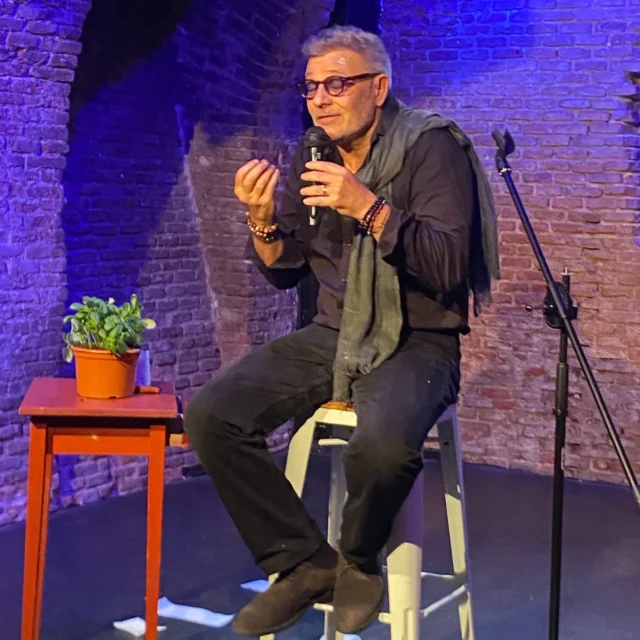
- Stand-up: each of them performs material from their own life and point of view.
- Sketches: short scenes that play with stereotypes and turn them inside out.
- Music: songs are part of the night, which changes the rhythm and lightens the mood.
- Personal stories: the most human part of the show, where the politics becomes personal.
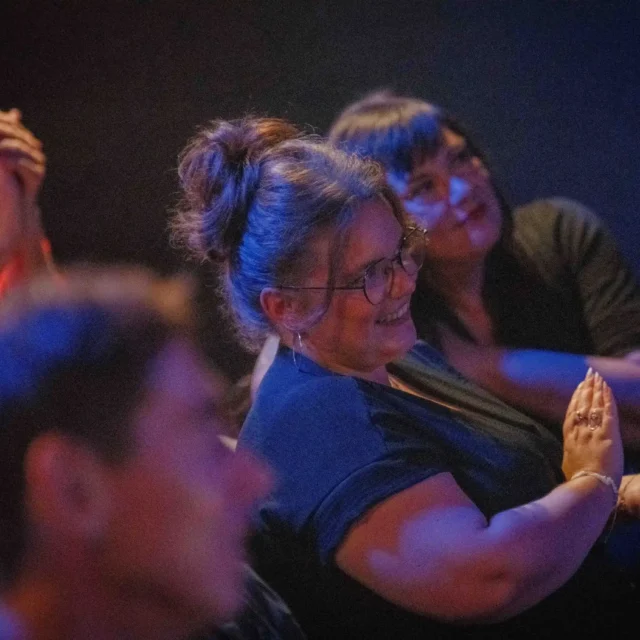
- Conversation and audience interaction: the show talks with the room as well as to it.
The tagline sums it up: come for the comedy, stay for the conversation.
Who will enjoy it
- People who like comedy with a point of view.
- Anyone interested in identity, migration and what it means to belong somewhere.
- Audiences who are comfortable laughing at difficult subjects.
- People who want to talk about what they saw afterwards.
If you want a night of pure silliness with no theme, our other show, No Offense, But..., is probably a better fit.
Practical details
The show is performed in English at Off Latina, Calle de los Mancebos 4, in La Latina. Doors open at 21:00 and the show starts at 21:30. Tickets are sold per show on each date’s event page. See the show page for the next date.
Laugh, think, see it differently
Comedy will not solve politics. It can make a room full of people think about it differently for an hour, and laugh while they do. If that sounds like your kind of night, pick a date on the what’s on page. For more on how different comedy traditions handle tough subjects, read our piece on English-language humour styles.